
- Call Us: 416-264-1222
- Email: info@masjidbilal.ca
Islamic Divorce Guidance
- Home
- Services Islamic Counselling
- Islamic Divorce Guidance
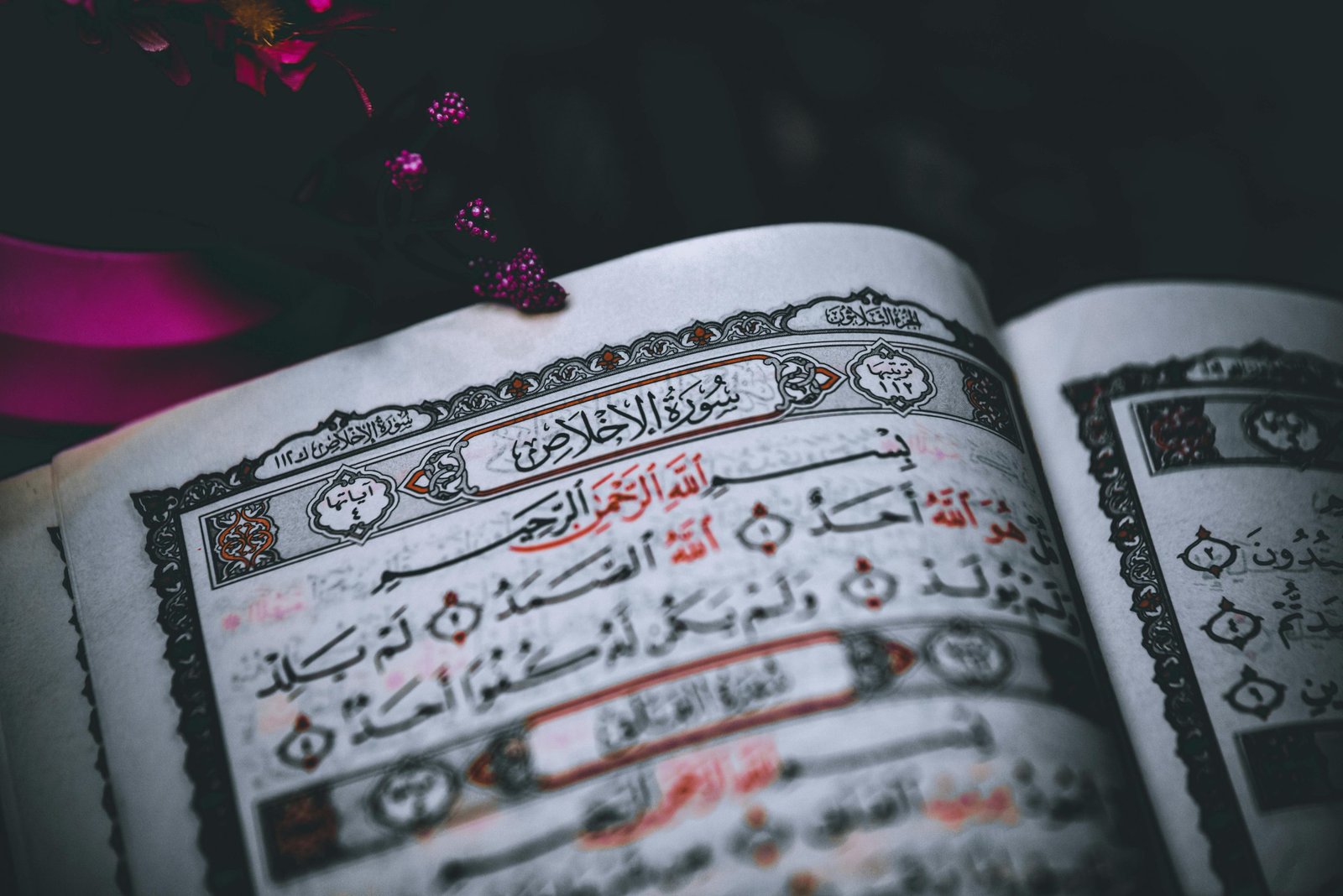
“When you divorce wives and they reach their term, then keep them with kindness or release them with kindness. Do not keep them to hurt them, overstepping the limits set by Allah, for whoever does so has verily done wrong to himself.” [Al-Baqarah, v. 231]
In case of an inevitable situation where all efforts to reconcile were exhausted, and there is Islamic justification for divorce, our Imam will facilitate a smooth process of an amicable divorce according to Qur’an, Sunnah and Fiqh. This is strictly a religious service. For all legal matters, please contact a lawyer.
Note: The primary goal is reconciliation.
Islamic Divorce (Talaq/ Khula) Process
The process involves completing and signing the relevant Islamic divorce documentation in the presence of the Imam. Depending on the circumstances, this may be either:
- Talaq (Islamic Divorce)
- Khula (Divorce initiated by the wife with the husband’s agreement).
- Faskh cases are processed by CCMT – Canadian Council of Muslim Theologians
Post-Talaq / Post-Khula Islamic Counselling
The end of a marriage can be emotionally, spiritually, and practically challenging. Post-divorce counselling provides Islamic guidance and support to help individuals navigate this new chapter of life with faith, clarity, and confidence.
Areas of support may include:
- Processing the emotional impact of divorce from an Islamic perspective.
- Strengthening one’s relationship with Allah ﷻ during times of hardship.
- Understanding Islamic rulings related to divorce, including the ʿiddah period, financial rights, child custody, and co-parenting responsibilities.
- Developing healthy communication and boundaries with a former spouse, especially where children are involved.
- Assisting parents in minimizing the impact of divorce on their children.
- Addressing feelings of guilt, anger, resentment, grief, or loneliness.
- Rebuilding confidence, self-worth, and emotional resilience.
- Creating practical goals and a positive plan for moving forward.
- Helping individuals avoid common pitfalls following divorce and make decisions in accordance with the Qur’an and Sunnah.
- Providing ongoing spiritual guidance and accountability where appropriate.
Please take note of the following:
- Counselling is based on Islamic principles: Qur’an, Sunnah and Fiqh.
- All discussions are strictly confidential in an open and safe environment
- No information is shared unless required by law
- Commitment to attend multiple sessions, if required
- All participants are expected to abide by Islamic ethics and etiquette.
- For all legal matters please contact a lawyer
To inquire further about this service or to book an appointment, please email our Imam at: imammushtaqshaikh@gmail.com
All emails submitted through the portal below are treated as confidential and are checked regularly by the Imam.