
- Call Us: 416-264-1222
- Email: info@masjidbilal.ca
Night of Qadr
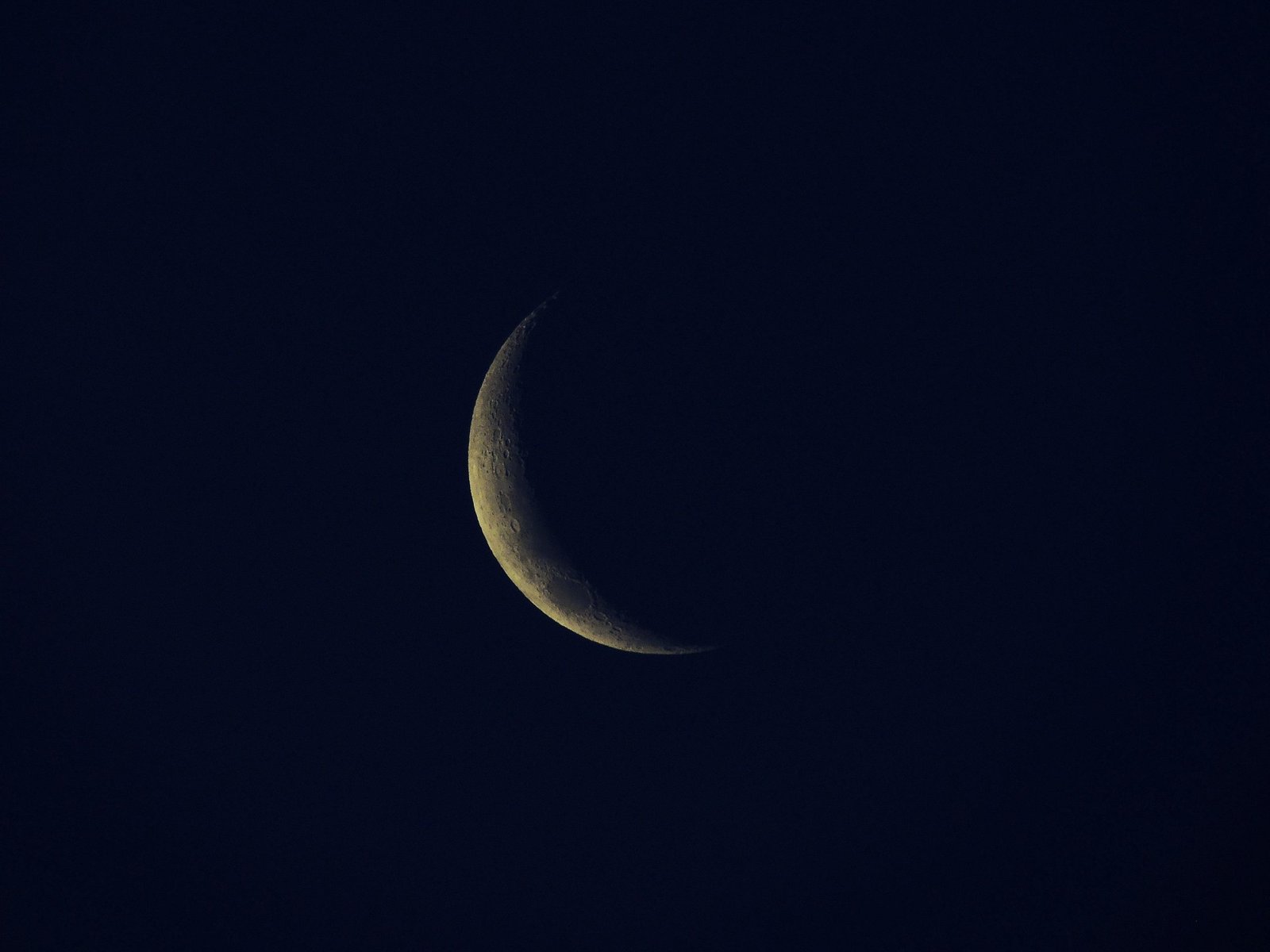
The Last Ten Nights of Ramadhan
إِنَّآ أَنزَلۡنَـٰهُ فِى لَيۡلَةِ ٱلۡقَدۡرِ (١) وَمَآ أَدۡرَٮٰكَ مَا لَيۡلَةُ ٱلۡقَدۡرِ (٢) لَيۡلَةُ ٱلۡقَدۡرِ خَيۡرٌ۬ مِّنۡ أَلۡفِ شَہۡرٍ۬ (٣) تَنَزَّلُ ٱلۡمَلَـٰٓٮِٕكَةُ وَٱلرُّوحُ فِيہَا بِإِذۡنِ رَبِّہِم مِّن كُلِّ أَمۡرٍ۬ (٤) سَلَـٰمٌ هِىَ حَتَّىٰ مَطۡلَعِ ٱلۡفَجۡرِ (٥)
Trans: “We have sent it (the Qur’an) down in the Night of Qadr. [1] And what may let you know what the Night of Qadr is? [2] The Night of Qadr is much better than one thousand months. [3] The angels and the Spirit descend in it, with the leave of your Lord, along with every command. [4] Peace it is till the rising of dawn. [5]”
The Value and Importance of the Night and a Special Du’a for the Night
The greatest virtue of the Night is mentioned in the Surah itself, that is, the acts of worship performed in this single night is better than worship in one thousand months which amounts to eighty-three years and four months. The figure here and elsewhere in the Qur’an does not signify its precise number, but simply denotes a very large or high number. Allah alone knows how much more or better. [Ma’ariful Qur’an]
Date of the Night of Qadr
It is explicitly stated in the Qur’an that the Night occurs in the blessed or auspicious month of Ramadan, but its exact date has not been disclosed. As a result, it is disputed and debated among scholars. There are about forty opinions recorded. Mazhari states that the most authentic opinion is that the Night of Qadr occurs in the last ten nights of Ramadan, but no specific date has been fixed. It could be any of the last ten odd nights which may alternate from year to year. According to authentic Traditions, it could be one of the following nights: 21, 23, 25, 27 and 29. Thus all the apparently conflicting Traditions relating to the odd nights are reconciled.
Sayyiduna Anas رضى الله عنه narrates that the Messenger of Allah ﷺ: “When the Night of Qadr occurs, Jibra’il عليه السلام descends on the earth with a huge throng of angels and all of them pray for every servant of Allah, man or woman, busy in salah or dhikr, to be blessed by Allah.”
On account of geographical positions, the time will vary from place to place. As a result, the Night of Qadr will not occur in all the regions of the world simultaneously. This is not a problem because people of each location should calculate and consecrate the night and receive its blessings according to their geographical position. Allah, the Pure and Exalted, knows best. [Ma’ariful Qur’an]
If anyone performs the Isha and Fajr salahs in congregation, he will receive the blessings and reward of the Night of Qadr. The more one performs acts of worship in this night, the more he shall receive its blessings. It is recorded in Sahih of Muslim that Sayyiduna Uthman رضى الله عنه narrates that the Messenger of Allah ﷺ said: “If a person performs his Isha salah in congregation, he will attain the blessings of spending half the night in devotion; and if he performs Fajr salah in congregation, he will attain the blessings of spending the entire night in devotion.” [Muslim, 656]
Sayyidah Aisha ضى الله عنها narrates: “With the start of the last ten days of Ramadan, the Prophet ﷺ used to tighten his waist belt (i.e. work hard) and used to pray all the night, and used to keep his family awake for the prayers.” [Bukhari, 2024]
Sayyidah Aisha ضى الله عنها narrates: “Allah’s Messenger ﷺ used to practice I’tikaf in the last ten nights of Ramadan and used to say, ‘Look for the Night of Qadr in the last ten nights of the month of Ramadan.’” [Bukhari, 2020]
Sayyidah Aisha ضى الله عنها narrates: “Allah’s Messenger (ﷺ) said, “Search for the Night of Qadr in the odd nights of the last ten days of Ramadan.” [Bukhari, 2017]
Sayyiduna Abdullah ibn Abbas رضى الله عنه reported that Nabi ﷺ said: “The Night of Decree is a calm night, neither hot nor cold and the sun arises on it [the next morning] red and feeble.” (Ibn Khuzaymah)
Sayyidah Aisha ضى الله عنها once asked the Messenger of Allah ﷺ, “O Messenger of Allah, what should I say if I know that it is Laylatul Qadr?” The Prophet ﷺ replied:
اللَّهُمَّ إِنَّكَ عَفُوٌّ تُحِبُّ الْعَفْوَ فَاعْفُ عَنِّي
Transliteration: Allahumma innaka ‘afuwwun tuhibbul ‘afwa fa’fu ‘annni
Translation: “O Allah, You are Most Forgiving and You love forgiveness, so forgive me.”
[Jami’ Tirmdhi, 3513]
What to do during this night?
A person can spend some time during the night in the following acts of worship:
- Salah
- Recitation of the Holy Qur’an
- Dhikr/Tasbeeh
- Salat-alan-Nabi (Durood Shareef)
- Dua
- Istighfar/Tawbah i.e. asking Allah for forgivenes
All forms of the optional worship (Nafl Ibaadah), are to be done individually at home and not collectively. Remaining awake throughout the night is not required. A person may spend as much time during the night as he or she is comfortable with. In Islamic terms, the night commences at sunset and ends at dawn.
This night is meant for worshiping Allah in solitude. It is the time to enjoy communicating with the Lord of the Universe, and to devote one’s attention to Him and Him alone, hence cell phones should be turned off while engaged in worship.