
- Call Us: 416-264-1222
- Email: info@masjidbilal.ca
Jahez
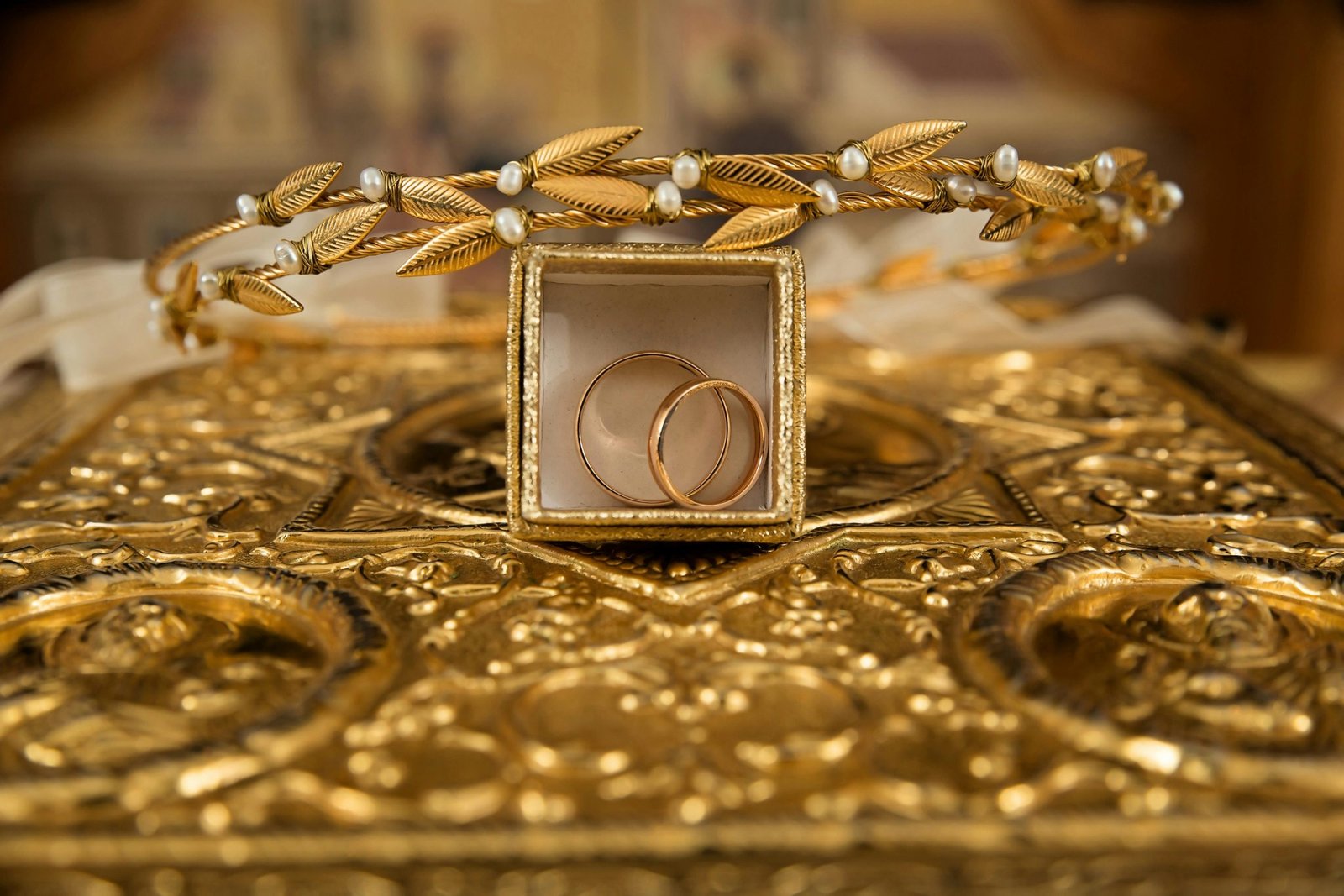
Jahez refers to the wealth or gifts that a bride brings to the groom at marriage, a practice prevalent in many South Asian weddings. While often defended as tradition, its modern form has become a cruel and oppressive custom with roots in polytheistic societies.
Today, the bride’s family is frequently pressured to meet explicit or implicit demands, often at great financial cost. Many exhaust their life savings or sell property simply to secure their daughter’s marriage. Fear of social stigma or of their daughter remaining unmarried drives some parents into deep debt.
What is presented as “gifts” is, in reality, coercion. Expecting a bride to bring wealth into a marriage is a shameless act. In some cases, demands continue even after the nikah, and women are insulted, humiliated, or emotionally abused for not bringing enough. Such treatment constitutes emotional and verbal abuse, and far too often escalates into domestic violence.
For countless women, the trauma of jahez-related abuse has had devastating consequences, sometimes even leading to death. What is framed as culture must be recognized for what it is: an injustice that victimizes women and their families and has no place in a just society.
The gifts that our Noble Prophet ﷺ gave to his daughter, Sayyidah Fatimah رضى الله عنها at the time of her marriage to Sayyiduna Ali رضى الله عنه are often presented as evidence to justify this cultural practice. This comparison, however, is deeply flawed.
Sayyiduna Ali رضى الله عنه said: “The Messenger of Allah ﷺ gifted to Fatimah a blanket, a container to hold water and a pillow filled with Idhkir leaves.” [Sunan Nisai, hadith 3384]
What the Prophet ﷺ gave were voluntary gifts from a loving father to his daughter, not demands imposed by the groom or his family. They were modest, practical household items, given according to his means, and carried no expectation, pressure, or condition attached to the marriage. Most importantly, they were not a requirement for the nikah, nor were they presented as an obligation upon the bride’s family.
Our Beloved Prophet ﷺ had four daughters. In the hadith literature, there is no established narration of him giving jahez to any of his other three daughters. He only gave it to Sayyidah Fatimah رضى الله عنها. The Noble Prophet ﷺ taught equality between children when giving gifts. Also, there are plenty of hadith on the virtues of raising daughters and being kind to them.
The question is, why only Sayyidah Fatimah رضى الله عنها? The Noble Prophet ﷺ was the fairest and just person ever to come on earth.
According to one report, the money used to purchase the jahez for Sayyidah Fatimah رضى الله عنها was the money Sayyiduna Ali رضى الله عنه received when he sold his armour upon the Noble Prophet’s ﷺ instruction just before the marriage.
Secondly, the Beloved Prophet ﷺ was a father to Sayyidah Fatimah رضى الله عنها and the guardian for Sayyiduna Ali رضى الله عنه. He lived in our Beloved Prophet’s ﷺ home from a very young age, going back to before prophethood. Sayyiduna Ali رضى الله عنه was poor. Aware of his condition, the Noble Prophet ﷺ supported this new couple by providing some basic household needs so they can settle down independently in their new home after marriage.
His other daughters:
– Sayyidah Zainab رضى الله عنها was married to Abul-A’as ibn Rabee’ رضى الله عنه. He was a wealthy merchant.
– Sayyidah Ruqayyah رضى الله عنها and Sayyidah Umm Kulthum رضى الله عنها both married Sayyiduna Uthman رضى الله عنه one after the other.
Some parents, out of sheer love for their daughter, sincerely desire to give some gifts. The preferred method is to stay within one’s budget, give it privately without any show and display, and to give it sometime after the wedding.
by Mawlana Mushtaq Shaikh
Ref.
1) Sunan Nasai
2) Rahmani, Khalid Saifullah. Oct. 2008. Halal wa Haram (Urdu). Karachi: Zamzam Publishers
Leave Your Comments